Meet the Selkirk Rex
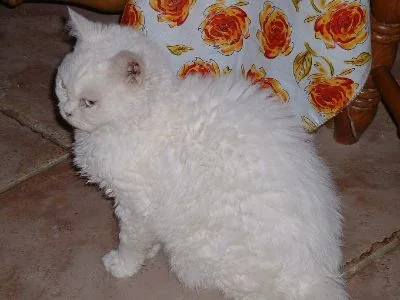
The Selkirk Rex is part of the diverse world of domestic cats. Its profile is associated with United States, and one of its recognizable features is loose curls and substantial body. A breed label can help organize information, but it does not define the health or behavior of every cat carrying that label.
Appearance and identification
Loose curls and substantial body is a useful starting point when reading this profile. The coat is described here as medium. Appearance alone cannot prove ancestry: similar features also occur in mixed-ancestry cats. For a pedigreed cat, ask for traceable registration and individual health records rather than relying on a photograph.
Temperament and daily life
Common descriptions include patient, sociable. These are broad tendencies, not promises. Observe the individual cat’s comfort with handling, play, noise and other animals. Allow quiet retreat spaces and introduce new experiences gradually.
Care priorities
Separate tangles gently rather than over-brushing curls. Establish a routine that the household can maintain. Use suitable complete food, provide fresh water, keep litter areas clean and make time for interactive play. Match grooming to the actual coat condition and the cat’s tolerance.
- Provide separate choices for resting, scratching, feeding and litter use.
- Check toys and climbing furniture for damage and stability.
- Introduce brushing and handling through short, positive sessions.
- Record unexpected changes and discuss them with a veterinarian.
Before bringing one home
Ask about the specific cat’s history, relevant health screening and current routine. Meet the cat in an appropriate setting. Consider adoption opportunities as well as responsible breeding, and prioritize welfare over an unusual appearance or a fashionable description.
Questions worth asking
Will this cat suit my household?
Compare your routine with the individual’s needs. Daily time, safe space, social preferences, costs and access to veterinary care are more useful than a simple “easy” or “difficult” label.
Is the coat allergy-free?
No profile here guarantees an allergy-free cat. Seek individual medical advice about human allergies and avoid relying on marketing labels.
How should I use the online tools?
Use the tools to organize a budget, compare labeled food quantities or record a routine. They do not prescribe treatment, diagnose illness or replace advice about an individual cat.
Sources & further reading
Cornell Feline Health Center ↗
Last updated: 2026-09-05. See our editorial policy for scope and corrections.