
Adoption
Your cat’s first week at home
A calm arrival plan built around a quiet room, predictable care and gradual introductions.
Adoption↗
54 results · cat care
A calm arrival plan built around a quiet room, predictable care and gradual introductions.

Create choices for hiding, climbing, scratching and resting without turning the house into an obstacle course.

Plan accessible litter locations and a cleaning routine that supports comfortable use.

Understand energy information, feeding directions and the limits of guaranteed-analysis comparisons.

Make water easy to find and learn why food moisture changes what you see in the bowl.
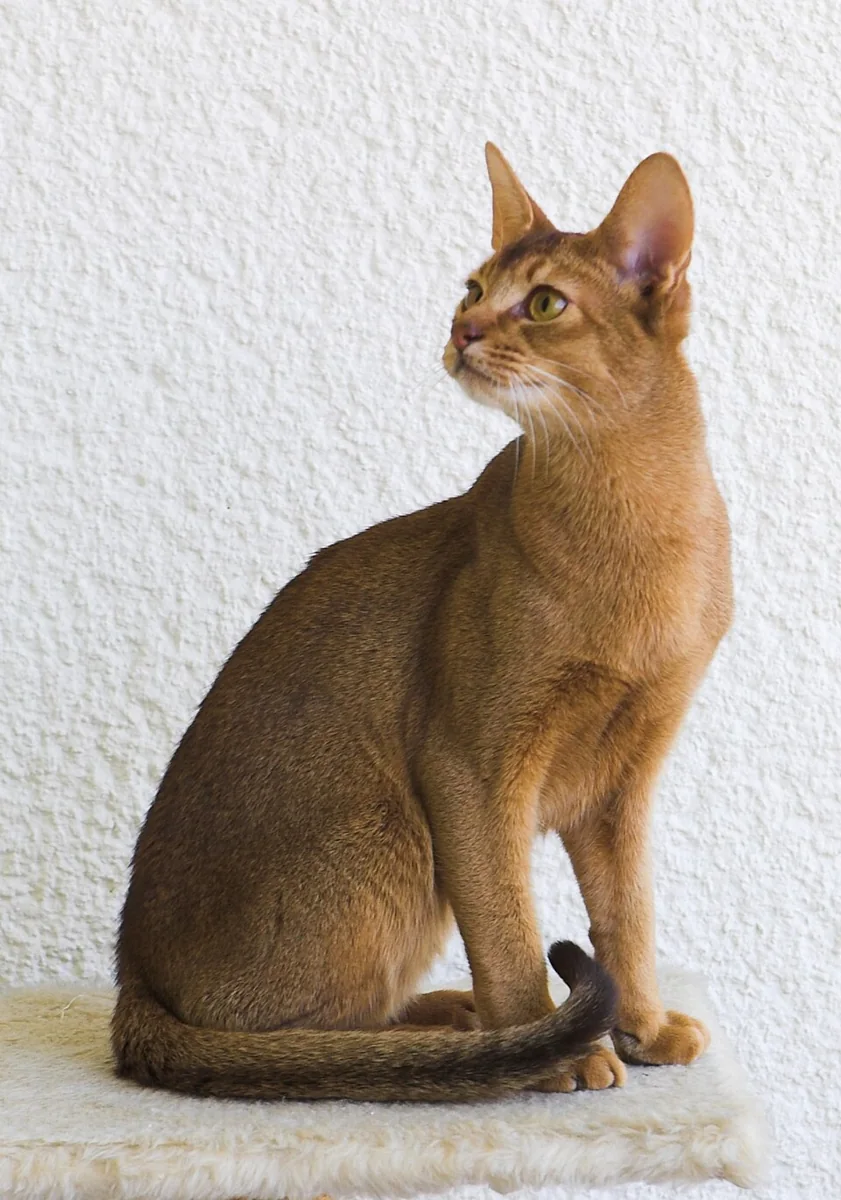
Use short, attentive sessions that let your cat stalk, chase, catch and finish calmly.
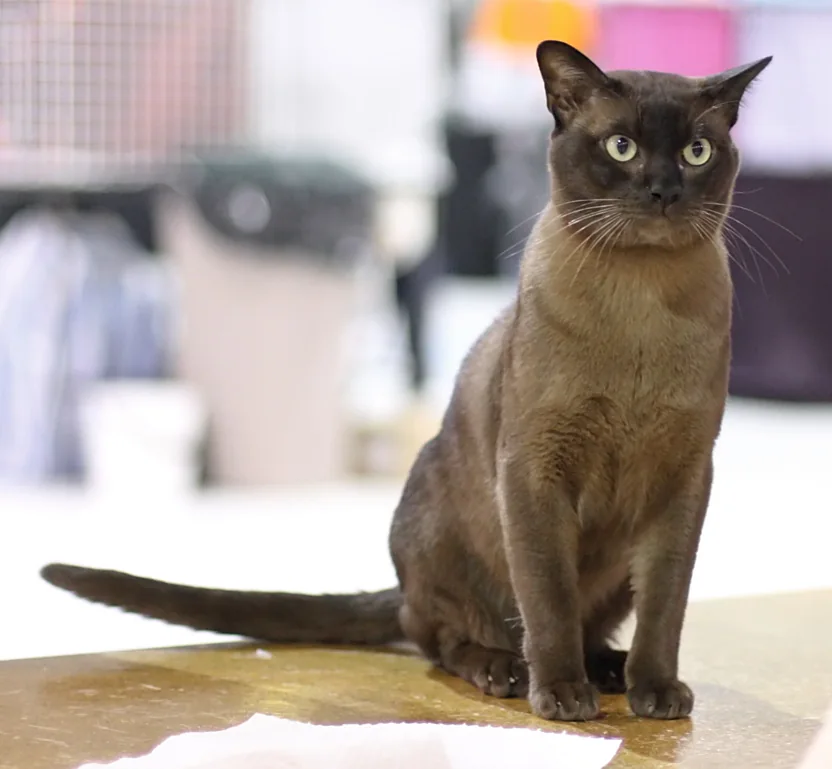
Build familiarity through separation, scent and controlled encounters rather than a forced first meeting.

Turn coat checks into brief, cooperative sessions and notice changes early.

Introduce the carrier long before a journey so entering it becomes a manageable task.

Separate setup purchases, recurring costs and uncertain expenses before committing to adoption.
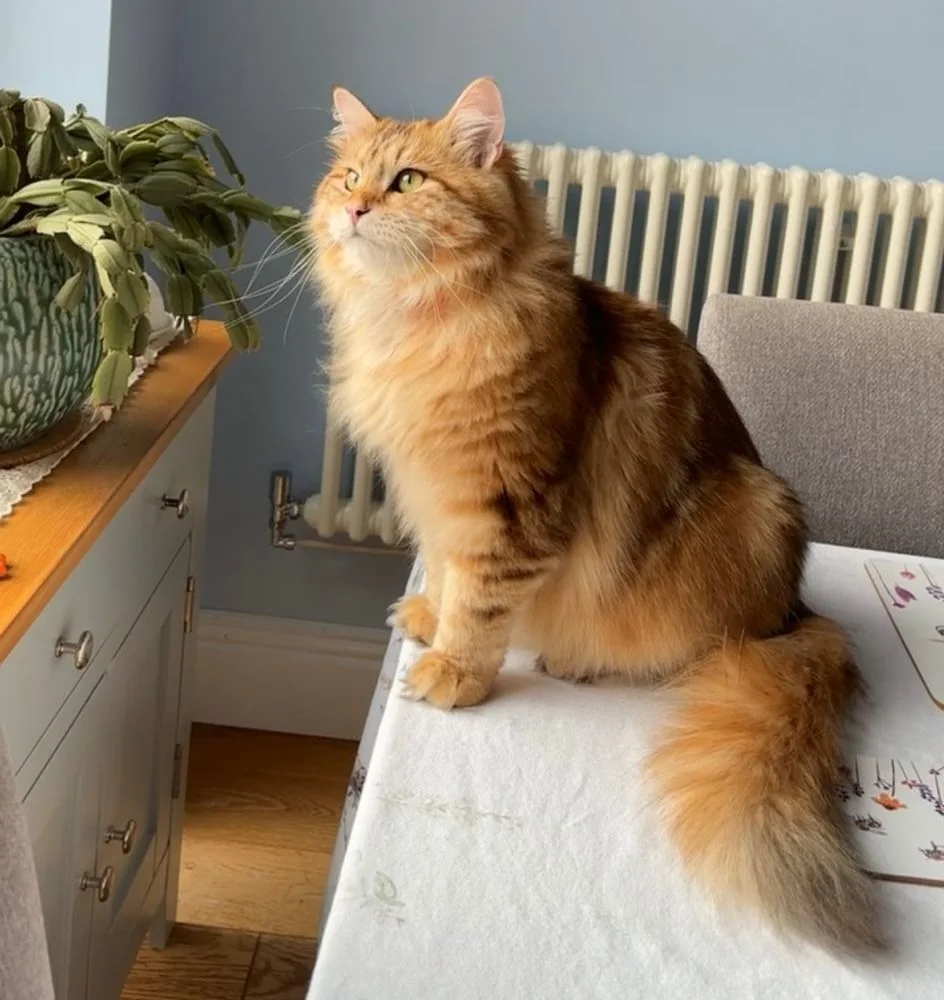
Review common escape and fall risks before opening a window or creating an outdoor view.

Improve access to familiar resources while keeping an eye on changes that deserve veterinary attention.
Understand why posture, context and the opportunity to retreat matter when interpreting behavior.
Create a routine that makes it easier to see who is eating what and reduces competition.
Put the everyday routine and emergency contacts in one clear, printable place.
Use light, patience and a comfortable distance to capture a cat’s expression.
Use breed descriptions thoughtfully while giving individual health and behavior the attention they deserve.
Use the package instructions, clear dates and a tidy inventory to reduce avoidable waste.
Offer stable surfaces in meaningful places and make the preferred option easy to choose.
Record the details that help your household and veterinary team understand daily patterns.
Explore wild relatives while keeping their ecological needs separate from domestic-cat care.
Learn how classification choices affect a species list and why an atlas should state its scope.
A field note on learning from familiar routes, chosen resting spots and ordinary moments.
How image attribution helps a public encyclopedia respect the people who make it possible.

Explore a rough human-age comparison for an adult cat.
Calculate resting energy requirement as a reference for a veterinary feeding discussion.
Convert a daily calorie target you already have into grams of a labeled food.
Divide an existing calorie target between two foods without double-counting.
Find a 10% reference limit for treats within an existing calorie target.
Compare a label nutrient percentage after accounting for moisture.
Compare the cost of a food per kilogram and per 100 calories.
Estimate when a bag or case will run out.
Estimate how much water a measured serving of food contributes.
Build a monthly and yearly care budget in your own currency.
Work out a monthly savings contribution toward your own reserve target.
Plan a starting number of litter boxes for a household.
Estimate loose litter volume for a rectangular tray.
Estimate monthly litter cost from actual household usage.
Calculate a reorder date for any regularly used cat supply.
Turn a chosen transition period into a simple old/new food schedule.
Run a gentle play-session timer with a clear finish.
Compare two measured weights and save a private record in this browser.
Keep a practical checklist for welcoming a cat.
Create a printable handover sheet with your exact care instructions.
Prepare a reusable packing and planning checklist.
Space a chosen number of meals through your waking day.
Convert kilograms to pounds, or pounds to kilograms.
Convert millilitres and US fluid ounces.
Review time, costs and home arrangements before adopting.
Explore a small curated collection of friendly cat names.
Count down to the next birthday or adoption anniversary.
Make a calendar reminder for a veterinary appointment you have booked.
Plan and print a gentle grooming routine at your chosen interval.
Arrange the toys you own into a rotating weekly plan.